
The Future of Industrial Fuel: Why Biomass and Coal Together Are Transforming Indian Industries
In today’s rapidly growing industrial world, energy is the backbone of every manufacturing process. From textile factories and food processing plants to ceramic industries and chemical units, reliable fuel is essential for smooth operations. Industries across India are constantly searching for fuel solutions that are cost-effective, efficient, and environmentally responsible. This is where coal and biomass fuels are playing an important role in shaping the future of industrial energy.
According to information shared on Narmada Industries, industries in Madhya Pradesh and nearby regions are increasingly adopting both traditional coal and eco-friendly biomass fuels to maintain production efficiency while reducing environmental impact.
India is one of the fastest-growing industrial economies in the world. Every year, thousands of new factories, manufacturing units, food processing plants, textile industries, and chemical industries are established across the country. With industrial growth increasing rapidly, the demand for reliable and efficient fuel is also rising. This growing demand has created huge opportunities in the coal and biomass fuel sector.
Today, industries are not only looking for affordable fuel but also searching for cleaner and more sustainable energy solutions. Because of this, biomass fuel and bio-coal products are becoming highly important for the future of Indian industries.
According to information available on Narmada Industries, industrial fuel solutions such as coal, biomass briquettes, and biomass pellets are helping industries maintain efficient production while reducing environmental impact.
Understanding Industrial Fuel Requirements
The Future of Industrial Fuel: Why Biomass and Coal Together Are Transforming Indian Industries
Every industrial unit has different energy needs. Some industries require high-temperature combustion, while others focus on steam generation or drying applications. Choosing the right fuel directly affects:
- Production efficiency
- Fuel consumption cost
- Boiler performance
- Pollution levels
- Maintenance expenses
- Long-term sustainability
Poor-quality fuel can reduce machine efficiency, increase ash generation, and create operational problems. Therefore, industries prefer suppliers that provide consistent fuel quality, proper moisture control, and timely delivery services.
Industrial fuel is the backbone of many manufacturing operations. Boilers, furnaces, dryers, and steam systems require continuous fuel supply for smooth functioning.
Some major industries using industrial fuel include:
- Textile manufacturing
- Food processing industries
- Dairy plants
- Paper mills
- Chemical factories
- Ceramic industries
- Solvent extraction plants
- Brick manufacturing units
- Packaging industries
As industrial production increases, fuel consumption also increases. This creates strong long-term demand for coal and biomass fuel suppliers.
India’s industrial sector is expanding rapidly in states like:
- Madhya Pradesh
- Maharashtra
- Gujarat
- Rajasthan
- Chhattisgarh
- Uttar Pradesh
These regions have a large number of manufacturing industries that require continuous fuel supply for daily operations.
The Future of Industrial Fuel: Why Biomass and Coal Together Are Transforming Indian Industries
What is Coal and Why is it Still Important?
Coal has been one of the most important industrial fuels for decades. It is widely used because of its high calorific value and stable combustion performance. Even today, many industries rely on coal for continuous heat generation and steam production.
There are different types of coal used in industries:
1. Indian Coal

Indian coal is affordable and easily available for domestic industries. It is commonly used in:
- Brick kilns
- Medium boilers
- Food processing industries
- Small manufacturing units
2. Indonesian Coal
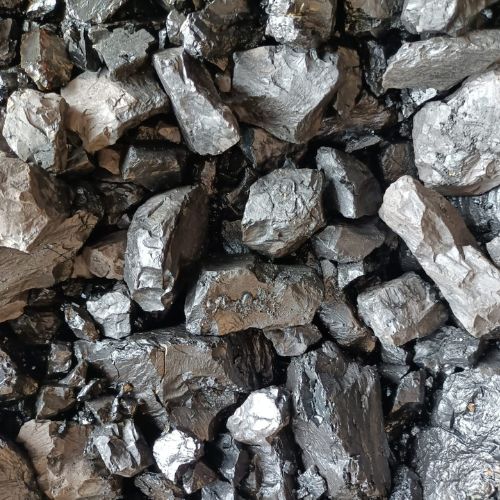
Indonesian coal is known for:
- Low sulfur content
- Low ash generation
- Cleaner combustion
- Better heat efficiency
This type of coal is widely preferred in industries that want cleaner operations with efficient combustion.
3. USA Coal

USA coal is considered premium-grade fuel because of:
- High fixed carbon
- Low moisture
- High calorific value
- Long-lasting flame stability
It is often used in high-performance industrial systems requiring continuous heat output.
The Future of Industrial Fuel: Why Biomass and Coal Together Are Transforming Indian Industries
The Rise of Biomass Fuel in India
The Future of Industrial Fuel: Why Biomass and Coal Together Are Transforming Indian Industries
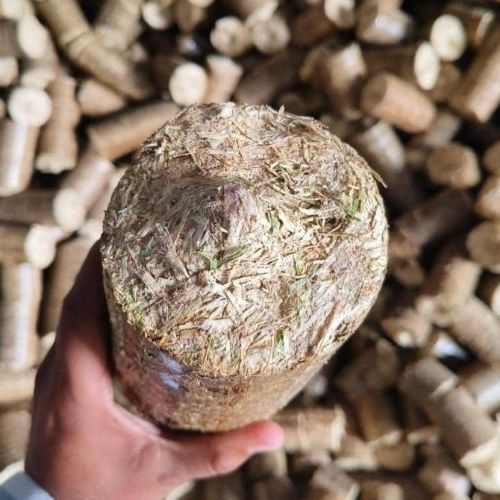
As industries move toward greener energy solutions, biomass fuel is becoming increasingly popular. Biomass fuels are made from agricultural waste materials such as:
- Soybean husk
- Sawdust
- Groundnut shells
- Mustard husk
- Wood waste
- Crop residue
Instead of burning or wasting these agricultural by-products, they are compressed into briquettes or pellets and used as industrial fuel.
This process not only creates renewable energy but also helps reduce environmental pollution. Biomass fuel is now considered one of the most promising alternatives to fossil fuels in India.
What are Biomass Briquettes?
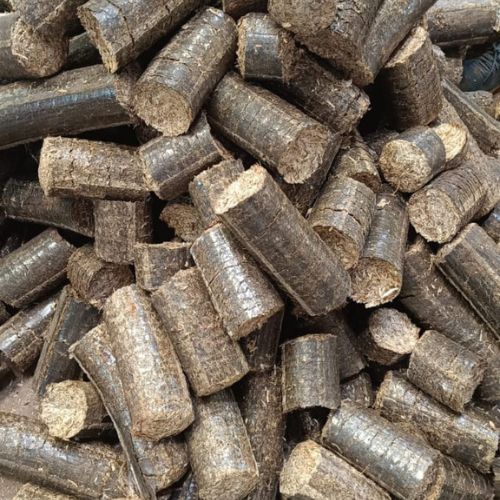
Biomass briquettes, also known as bio-coal or white coal, are compressed blocks made from agricultural waste. These briquettes are widely used in:
- Boilers
- Furnaces
- Hot air generators
- Ceramic units
- Steam plants
Advantages of Biomass Briquettes
Eco-Friendly
Biomass briquettes produce lower emissions compared to traditional coal.
Renewable Source
Agricultural waste is continuously available, making briquettes a sustainable energy source.
Lower Ash Content
Reduced ash means lower cleaning and maintenance costs.
Cost-Effective
Many industries find biomass fuels cheaper in the long run.
Carbon Neutral
Biomass fuels release significantly lower net carbon emissions.
Soybean biomass briquettes are especially popular because they offer good calorific value and consistent combustion performance.
Environmental Benefits of Biomass Fuel
One of the biggest advantages of biomass fuel is environmental protection.
Reduction in Air Pollution
Biomass fuels produce lower smoke emissions compared to low-grade coal.
Agricultural Waste Management
Farm waste is converted into useful energy instead of being burned in open fields.
Lower Carbon Emissions
Biomass fuels release less net carbon into the atmosphere.
Cleaner Industrial Operations
Low ash and low sulfur content help reduce pollution inside industrial systems.
Because of these benefits, many industries are now partially replacing coal with biomass briquettes and pellets.
Biomass Pellets: Modern Fuel for Modern Industries
The Future of Industrial Fuel: Why Biomass and Coal Together Are Transforming Indian Industries
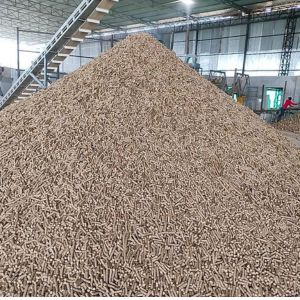
Biomass pellets are another advanced form of renewable fuel. These pellets are small, dense, and highly efficient for automated boiler systems.
Groundnut shell pellets, wood pellets, and mustard pellets are commonly used in modern industrial heating systems.
Benefits of Biomass Pellets
- Uniform size for automated feeding
- Low moisture content
- Better combustion efficiency
- Lower smoke generation
- Easier transportation and storage
Groundnut shell pellets are especially valued for their strong thermal output and clean-burning properties.
Coal vs Biomass Fuel: Which is Better?
Both coal and biomass fuels have their advantages. The right choice depends on industrial requirements, budget, and environmental goals.
| Feature | Coal | Biomass Fuel |
|---|---|---|
| Source | Fossil Fuel | Renewable |
| Emissions | Higher | Lower |
| Ash Content | Medium to High | Low |
| Cost Stability | Variable | More Stable |
| Sustainability | Limited | Eco-Friendly |
| Availability | High | Increasing Rapidly |
Many industries now use a combination of coal and biomass to balance performance and environmental responsibility.
The Future of Industrial Fuel: Why Biomass and Coal Together Are Transforming Indian Industries
Why Indian Industries Are Moving Toward Biomass
India is focusing heavily on sustainable energy and pollution control. Government policies and rising environmental awareness are encouraging industries to adopt cleaner fuels.
Key reasons industries are switching to biomass include:
1. Rising Coal Costs
Coal prices fluctuate due to mining and transportation expenses.
2. Environmental Regulations
Industries must reduce pollution and carbon emissions.
3. Agricultural Waste Utilization
Biomass converts waste into valuable fuel.
4. Better Public Image
Using green energy improves brand reputation.
5. Long-Term Savings
Lower maintenance and operational costs benefit industries over time.
Biomass Briquettes: The Rising Industrial Fuel
Biomass briquettes are compressed fuel blocks produced from agricultural waste. These briquettes are widely used as a replacement for traditional coal in industrial boilers and furnaces.
The Future of Industrial Fuel: Why Biomass and Coal Together Are Transforming Indian Industries
Main Features of Biomass Briquettes
- High density
- Good calorific value
- Low moisture content
- Easy transportation
- Low ash generation
Industries prefer briquettes because they offer stable combustion and cost-effective heating.
Soybean biomass briquettes are highly popular in central India due to the availability of soybean agricultural waste.
Biomass Pellets and Modern Boiler Systems
Modern industries are increasingly shifting toward automated boiler systems. Biomass pellets are ideal for these systems because of their uniform size and efficient burning characteristics.
The Future of Industrial Fuel: Why Biomass and Coal Together Are Transforming Indian Industries
Advantages of Biomass Pellets
- Automatic feeding compatibility
- Higher combustion efficiency
- Compact storage
- Reduced smoke
- Better fuel handling
Groundnut shell pellets and wood pellets are commonly used in many industrial heating systems.
Pellet fuel is expected to become even more popular in the future as industries modernize their fuel management systems.
Opportunities in Biomass Fuel Business
The Future of Industrial Fuel: Why Biomass and Coal Together Are Transforming Indian Industries
The biomass fuel business has huge future potential in India. Entrepreneurs are increasingly investing in:
- Biomass briquette plants
- Pellet manufacturing units
- Fuel supply businesses
- Industrial logistics
- Coal and biomass trading
Reasons for business growth include:
- Rising industrial demand
- Government support for renewable energy
- Growing environmental awareness
- Availability of agricultural waste
- Expanding industrial infrastructure
The demand for industrial fuel suppliers is expected to increase continuously over the coming years.
Government Support for Renewable Energy
The Future of Industrial Fuel: Why Biomass and Coal Together Are Transforming Indian Industries
The Indian government is promoting renewable and sustainable energy sources to reduce pollution and dependence on fossil fuels.
Several initiatives encourage industries to adopt cleaner fuel systems.
Benefits of government support include:
- Awareness programs
- Renewable energy promotion
- Pollution control regulations
- Industrial sustainability initiatives
These efforts are creating favorable conditions for biomass fuel businesses across India.
Importance of Fuel Quality in Industries
The Future of Industrial Fuel: Why Biomass and Coal Together Are Transforming Indian Industries
Fuel quality directly impacts industrial efficiency. Poor-quality fuel can increase:
- Smoke generation
- Maintenance costs
- Equipment damage
- Fuel consumption
High-quality fuel improves:
- Boiler performance
- Heat generation
- Production efficiency
- Equipment life
Reliable suppliers focus on maintaining proper:
- Moisture levels
- Ash content
- Calorific value
- Particle size consistency
Industries prefer suppliers who provide consistent fuel quality and timely delivery services.
The Future of Industrial Fuel: Why Biomass and Coal Together Are Transforming Indian Industries
Transportation and Fuel Supply Chain
A strong logistics network is essential in the industrial fuel business. Industries require uninterrupted fuel supply to avoid production delays.
Important factors in fuel transportation include:
- Fast delivery
- Proper storage
- Moisture protection
- Bulk handling capability
- Transportation safety
Companies involved in coal and biomass supply must maintain efficient logistics systems to meet industrial demands.
Industrial Energy Transition in India
The Future of Industrial Fuel: Why Biomass and Coal Together Are Transforming Indian Industries
India is slowly moving toward cleaner industrial energy systems. Although coal remains important, biomass fuel is becoming a major supporting energy source.
Many industries now use:
- Mixed fuel systems
- Coal and biomass combinations
- Renewable heating solutions
- Cleaner combustion technologies
This energy transition is expected to continue for many years as industries focus on sustainability and operational efficiency.
Employment Generation Through Biomass Industry
The Future of Industrial Fuel: Why Biomass and Coal Together Are Transforming Indian Industries
The biomass sector also creates employment opportunities in:
- Agriculture
- Transportation
- Manufacturing
- Packaging
- Industrial supply chains
Farmers benefit because agricultural waste gains commercial value. Rural areas also benefit through small-scale biomass production units.
This makes biomass energy beneficial not only for industries but also for rural economic development.
Challenges in Biomass Fuel Industry
Although the biomass sector is growing rapidly, some challenges still exist:
- Seasonal raw material availability
- Transportation costs
- Storage management
- Moisture control during monsoon
- Market competition
However, technological improvements and better supply chain systems are helping businesses overcome these challenges.
The Future of Industrial Fuel: Why Biomass and Coal Together Are Transforming Indian Industries
Future of Coal and Biomass Together
Coal and biomass are not competitors; instead, they are increasingly being used together in hybrid fuel systems.
Many industries now combine:
- Coal for high heat generation
- Biomass for cleaner combustion
- Pellets for automated systems
- Briquettes for cost savings
This balanced approach helps industries reduce pollution while maintaining production efficiency.
Experts believe that hybrid industrial fuel systems will dominate the future energy market in India.
Applications of Coal and Biomass Fuels
The Future of Industrial Fuel: Why Biomass and Coal Together Are Transforming Indian Industries
Today, both coal and biomass fuels are used in a wide variety of industries:
- Textile industries
- Food processing plants
- Dairy units
- Brick kilns
- Ceramic factories
- Paper mills
- Chemical plants
- Solvent extraction units
- Steam generation systems
Industries choose fuel types based on heat requirement, fuel handling systems, and operating costs.
Importance of Fuel Quality
The Future of Industrial Fuel: Why Biomass and Coal Together Are Transforming Indian Industries
High-quality fuel improves overall industrial performance. Important fuel quality parameters include:
Moisture Content
Low moisture improves combustion efficiency.
Calorific Value
Higher calorific value means better heat generation.
Ash Content
Lower ash reduces equipment maintenance.
Sulfur Content
Low sulfur reduces pollution and corrosion.
Reliable suppliers test these parameters before dispatch to ensure consistent fuel performance.
The Future of Industrial Fuel: Why Biomass and Coal Together Are Transforming Indian Industries
Role of Reliable Fuel Suppliers
The Future of Industrial Fuel: Why Biomass and Coal Together Are Transforming Indian Industries
Industries depend heavily on timely fuel delivery. Delays in fuel supply can stop production and cause financial losses.
A trusted fuel supplier provides:
- Quality assurance
- Timely logistics
- Transparent pricing
- Technical support
- Customized fuel solutions
Companies like Narmada Industries focus on supplying coal and biomass fuels to industrial clients across Madhya Pradesh and nearby regions.
The Future of Industrial Fuel: Why Biomass and Coal Together Are Transforming Indian Industries
Sustainability and the Future of Industrial Energy
The Future of Industrial Fuel: Why Biomass and Coal Together Are Transforming Indian Industries
The future of industrial energy is moving toward sustainability. Biomass fuel is expected to play a major role in reducing industrial pollution and supporting cleaner manufacturing practices.
Benefits of adopting sustainable fuel systems include:
- Reduced environmental impact
- Improved energy efficiency
- Better compliance with regulations
- Support for rural agricultural economies
- Reduced dependence on fossil fuels
Industries that adopt renewable fuel solutions today will be better prepared for future environmental and economic challenges.
Conclusion
The Future of Industrial Fuel: Why Biomass and Coal Together Are Transforming Indian Industries
Coal continues to remain an important industrial fuel because of its strong heating performance and widespread availability. At the same time, biomass fuels like briquettes and pellets are becoming the preferred choice for industries looking for cleaner and more sustainable energy solutions.
The combination of traditional coal and renewable biomass is helping industries improve efficiency, reduce pollution, and lower operational costs. As India continues its journey toward sustainable industrial growth, biomass energy will become an increasingly important part of the energy sector.
Businesses that invest in high-quality fuel solutions and reliable suppliers can achieve better productivity, lower maintenance costs, and long-term sustainability.
To learn more about industrial coal, biomass briquettes, pellets, and fuel solutions, visit Narmada Industries Official Website.
India’s industrial growth is creating massive opportunities in the coal and biomass fuel sector. While coal remains an important industrial fuel, biomass briquettes and pellets are rapidly emerging as sustainable alternatives.
Biomass fuel supports environmental protection, agricultural waste management, rural employment, and cleaner industrial operations. Industries that adopt high-quality fuel systems can improve efficiency, reduce costs, and support long-term sustainability.
The Future of Industrial Fuel: Why Biomass and Coal Together Are Transforming Indian Industries
As renewable energy awareness continues to grow, the future of biomass fuel business in India looks extremely promising. Companies involved in industrial fuel supply, coal trading, briquette manufacturing, and pellet production are expected to play a major role in the country’s industrial development.
The Future of Industrial Fuel: Why Biomass and Coal Together Are Transforming Indian Industries
To explore more about coal, biomass briquettes, industrial pellets, and fuel solutions, visit Narmada Industries.
The Future of Industrial Fuel: Why Biomass and Coal Together Are Transforming Indian Industries