
Coal
Coal has been a cornerstone of human progress for centuries. From fueling steam engines during the Industrial Revolution to powering massive power plants today, coal remains one of the most reliable and abundant sources of energy worldwide. Despite the rise of renewable energy, coal continues to hold a significant place in industries, thanks to its availability, energy density, and affordability.
In this comprehensive guide, we will explore the different types of coal, their properties, uses, advantages, challenges, and future in the global energy sector.
“At Narmada Coal Industries, our office serves as the hub for efficient operations, professional client support, and smooth order processing. We are committed to delivering timely and quality coal & bio-coal solutions across India. Visit or contact us to experience our reliable and customer-focused service.”
Best Quality Coal for Industries – Narmada Coal Industries
High GCV Industrial Coal Supplier – Narmada Coal Industries
1. What is Coal?
“Narmada Coal Industries – Your trusted supplier of high-quality coal, bio-coal, and biomass briquettes in India. We ensure timely delivery, competitive prices, and unmatched service for industries nationwide.
Coal is a naturally occurring combustible rock formed from ancient plant matter that has undergone millions of years of heat and pressure. Rich in carbon, coal is a powerful source of energy used worldwide for electricity generation, steel production, cement manufacturing, and various industrial applications. Its high calorific value makes it a reliable and cost-effective fuel.
Coal is classified into different types, such as anthracite, bituminous, sub-bituminous, and lignite, each with unique properties. While Indian coal is affordable and locally available, it often has higher ash content. Indonesian coal offers low ash and sulfur, ensuring cleaner combustion, while USA coal is valued for its high energy content and stable performance.
Despite environmental concerns, advancements in clean coal technologies and blending with bio-coal are helping reduce emissions, ensuring coal remains an essential part of the global energy mix.
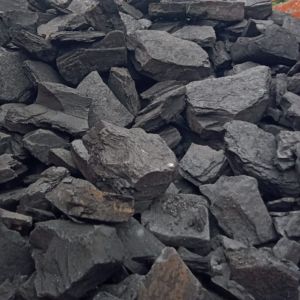
Coal is a combustible black or brownish-black sedimentary rock formed from plant matter that has undergone millions of years of geological processes under heat and pressure. It is primarily composed of carbon, along with varying amounts of hydrogen, sulfur, oxygen, and nitrogen.
Coal’s energy value comes from its carbon content, which burns to release heat. This heat is used in electricity generation, cement manufacturing, steel production, and other industrial processes.
2. Types of Coal
Coal is classified into four main types based on its carbon content, calorific value, and maturity:
a) Anthracite
- Highest carbon content (80–95%)
- High calorific value
- Burns cleanly with minimal smoke
- Used mainly in metallurgy and industrial heating
b) Bituminous Coal
- Carbon content: 60–80%
- High heat output and widespread availability
- Commonly used for electricity generation and steel production
c) Sub-bituminous Coal
- Carbon content: 45–60%
- Lower energy content than bituminous coal
- Burns cleaner with lower sulfur content
- Used in power plants
d) Lignite
- Lowest carbon content (25–35%)
- High moisture, low heat value
- Mostly used near mining sites for electricity generation
3. Key Properties of Coal
When selecting coal for industrial use, several parameters are considered:
| Parameter | Indian Coal | Indonesian Coal | USA Coal |
|---|---|---|---|
| Gross Calorific Value (GCV) | 3,500 – 5,000 kcal/kg | 4,200 – 6,500 kcal/kg | 6,000 – 7,200 kcal/kg |
| Ash Content | High (25–45%) | Low (5–15%) | Low (8–12%) |
| Moisture Content | Moderate to High (10–20%) | Low to Moderate (8–15%) | Low (5–10%) |
| Sulfur Content | Moderate (0.5–1%) | Very Low (0.2–0.5%) | Low to Moderate (0.5–1%) |
These values determine efficiency, emissions, and suitability for specific industrial applications.
4. Uses of Coal
Coal’s versatility makes it indispensable in multiple sectors:
Coal is one of the most important natural resources that has powered human progress for centuries. As a combustible black or brownish-black sedimentary rock, coal is formed from plant material that has been subjected to heat and pressure over millions of years. It is primarily composed of carbon, along with hydrogen, sulfur, oxygen, and nitrogen. Today, coal plays a vital role in energy generation, industrial production, and many other sectors, making it a cornerstone of global economic development.
1. Power Generation
The most significant use of coal is in electricity production. Coal-fired power plants burn coal to generate steam, which drives turbines to produce electricity. It is a reliable and cost-effective energy source, especially in countries with large coal reserves like India, China, and the USA. Thermal coal, also known as steam coal, is primarily used for this purpose.
2. Steel Production
Coal is essential in the production of steel through a process called coking. Metallurgical coal (coking coal) is heated in the absence of air to produce coke, a high-carbon fuel and reducing agent used in blast furnaces to convert iron ore into molten iron. This molten iron is then processed into steel, which is a critical material in construction, transportation, and manufacturing industries.
3. Cement Manufacturing
Coal is used as a primary fuel in cement kilns. The heat generated by burning coal is necessary to convert raw materials like limestone into clinker, the main ingredient in cement. This makes coal an indispensable part of infrastructure development.
4. Industrial Fuel
Many industries use coal as a direct source of heat and energy. Brick kilns, paper manufacturing plants, textile factories, and food processing units depend on coal for their heating and drying processes. Its consistent heat output makes it suitable for large-scale industrial applications.
5. Chemical Production
Coal is also an important raw material for producing chemicals such as methanol, ammonia, and other synthetic compounds. By-products of coal, like coal tar and coal gas, are used in making fertilizers, plastics, dyes, and pharmaceuticals.
6. Domestic Use
In rural and underdeveloped areas, coal is still used as a domestic fuel for cooking and heating. While cleaner alternatives are now available, coal remains a practical choice in many regions due to affordability and accessibility.
7. Gasification & Liquefaction
Advanced technologies allow coal to be converted into liquid fuels (coal-to-liquid, CTL) and synthetic natural gas (coal gasification). These processes expand coal’s use beyond traditional combustion, offering alternative energy solutions.
8. Export & Trade
Coal is a major export commodity for many countries. High-quality coal from nations like Australia, Indonesia, and South Africa is in demand worldwide, making it a key player in international trade.
- Electricity Generation – Over 35% of global electricity is still generated from coal-fired power plants.
- Steel Manufacturing – Metallurgical coal (coking coal) is essential in producing steel through blast furnaces.
- Cement Production – Coal is used as fuel in cement kilns.
- Industrial Heating – Provides consistent heat for manufacturing processes.
- Chemical Production – Used as a feedstock for chemicals like methanol and ammonia.
Uses of Coal – Importance & Applications in Modern Industry
Coal has been one of the most important natural resources for centuries, powering industries, generating electricity, and supporting economies. In this article, we explore the top uses of coal in various sectors.
H2: 1. Electricity Generation – Primary Use of Coal
Coal is widely used in thermal power plants to generate electricity.
- Around 37% of the world’s electricity is produced from coal.
- Coal-fired power plants convert heat energy into electrical energy efficiently.
H2: 2. Steel Manufacturing
Coal plays a vital role in steel production, especially in the form of coke.
- Coke acts as both a fuel and a reducing agent in blast furnaces.
- Over 70% of steel production worldwide depends on coal.
H2: 3. Cement Industry
The cement industry uses coal as a fuel for kilns.
- Provides high temperature for limestone processing.
- Improves cost efficiency in cement production.
H2: 4. Chemical Production
Coal is a source for producing various chemicals.
- Used in producing methanol, ammonia, and synthetic fertilizers.
- Coal tar is used in dyes, drugs, and pesticides.
H2: 5. Liquid Fuels from Coal
Through Coal-to-Liquid (CTL) technology:
- Produces synthetic diesel and gasoline.
- Reduces dependency on crude oil.
H2: 6. Domestic & Industrial Heating
Coal is still used for heating purposes in certain regions.
- Affordable energy source for industries.
- Used in boilers, furnaces, and heating systems.
H2: 7. Paper & Textile Industry
Coal provides steam energy in paper mills and textile factories.
- Maintains production speed and efficiency.
- Reduces overall operational cost.
H2: 8. Emerging Uses in Carbon Fiber & Advanced Materials
Coal-derived carbon fiber is lightweight yet strong.
- Used in aerospace, sports equipment, and construction.
- Represents innovative use of coal in modern technology.
5. Indian Coal
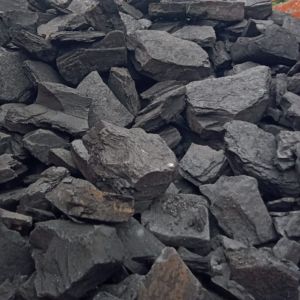
India has the world’s fourth-largest coal reserves and relies heavily on domestic coal for power generation. While Indian coal is affordable and locally available, it has high ash content, which impacts efficiency and emissions. However, its abundance makes it the backbone of India’s industrial energy supply.
Advantages:
- Affordable pricing
- Local availability
- Supports domestic economy
Challenges:
- High ash content
- Lower calorific value compared to imported coal
6. Indonesian Coal
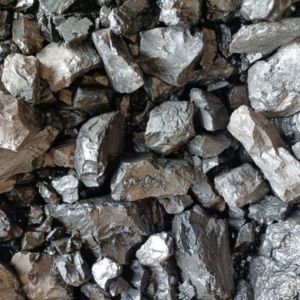
Indonesian coal has become a preferred choice for many industries due to its low ash and sulfur content. It burns efficiently, producing less residue and fewer emissions. Although it is imported, its higher calorific value often makes it more cost-effective for specific applications.
Advantages:
- Low ash and sulfur
- High combustion efficiency
- Smooth burning quality
Challenges:
- Price fluctuations due to global demand
- Shipping and import costs
7. USA Coal
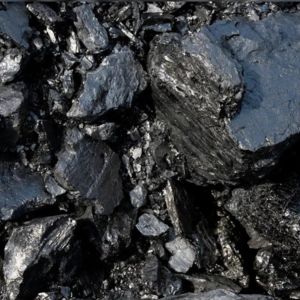
USA coal, especially high-grade bituminous and anthracite varieties, is known for its high energy content and stable combustion. It is often used in specialized industries that require premium fuel quality.
Advantages:
- High calorific value
- Low moisture
- Consistent performance
Challenges:
- Higher cost compared to Indian coal
- Mostly used in niche markets due to premium pricing
8. Environmental Impact
Coal burning releases carbon dioxide (CO₂), sulfur dioxide (SO₂), nitrogen oxides (NOₓ), and particulate matter, contributing to air pollution and climate change. Modern industries are adopting cleaner technologies such as:
- Flue Gas Desulfurization (FGD) – Reduces SO₂ emissions
- Electrostatic Precipitators – Captures particulate matter
- Carbon Capture and Storage (CCS) – Traps CO₂ before it reaches the atmosphere
9. The Future of Coal
While the global energy mix is shifting toward renewables, coal is expected to remain relevant in developing economies for decades. The focus is now on “clean coal” technologies to reduce environmental impact while maintaining energy security.
Industries are increasingly blending coal with biomass fuels (like bio-coal) to cut emissions and meet regulatory requirements.
10. Why Choose Narmada Industries for Coal Supply?
At Narmada Coal Industries, we prioritize quality, timely delivery, and customer satisfaction. With a network covering the entire country, we supply both traditional and renewable fuels to meet the needs of industries of all sizes. Our expert team ensures that every order is handled professionally, from inquiry to delivery.
At Narmada Industries, we specialize in providing high-quality coal tailored to your industrial needs. Our offerings include:
- Indian Coal – Affordable and locally sourced
- Indonesian Coal – Low ash, high efficiency
- USA Coal – Premium quality for specialized use
Our Promise:
- Timely delivery
- Consistent quality
- Competitive pricing
- Expert guidance in fuel selection
Contact Us
📞 Phone: +91-9977117590
📧 Email: industriesnarmada@gmail.com
🌐 Website: narmadaindustries.org
Conclusion
Coal remains a powerful, dependable fuel for industries worldwide. Whether you choose Indian, Indonesian, or USA coal, the key is to select the right type for your application. At Narmada Industries, we combine quality products, timely delivery, and excellent service to ensure your energy requirements are met with precision and reliability.
Easy peasy login process – got to love it! Lucky101 makes jumping in for a quick round super simple. If you are thinking about logging in, go to lucky101login.