
Introduction
Coal and Bio-Coal Energy is the backbone of every modern economy. From manufacturing to transportation, from power plants to domestic heating, the demand for reliable and affordable fuel is constant. Among the many energy sources, coal has been a dominant player for centuries, while bio-coal (or biomass briquettes/pellets) has emerged as a cleaner, eco-friendly alternative in recent decades. Both fuels serve crucial roles in global energy consumption, but each comes with its own strengths, applications, and environmental impacts.
In this article, we will explore the world of coal and bio-coal — understanding their origins, production processes, advantages, challenges, and future outlook.
1. Understanding Coal
What is Coal?
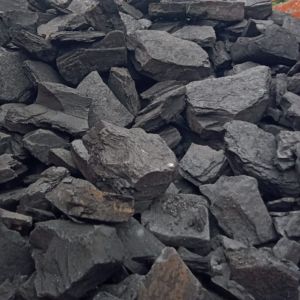
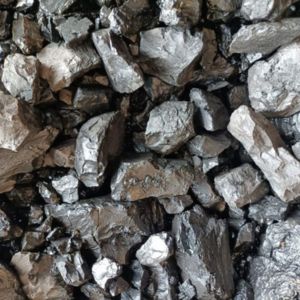
Coal is a combustible black or brownish-black sedimentary rock formed from ancient vegetation buried under heat and pressure for millions of years. It is composed mainly of carbon, along with variable amounts of hydrogen, sulfur, oxygen, and nitrogen.
Types of Coal
Coal is classified into different types based on carbon content and energy output:
- Anthracite – Highest carbon content, burns cleanly with high heat.
- Bituminous – Widely used in power plants and industry; high heating value.
- Sub-Bituminous – Lower heating value, used in electricity generation.
- Lignite – Low-grade coal with high moisture, used locally for power generation.
2. Understanding Bio-Coal
What is Bio-Coal?
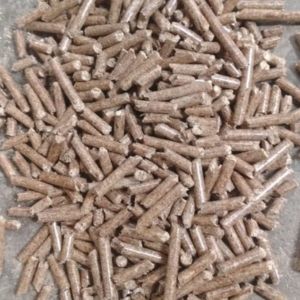
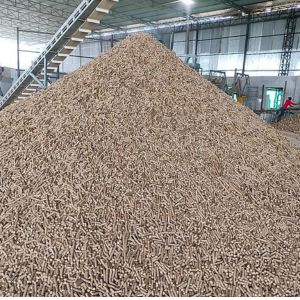
Bio-coal refers to solid biofuels such as biomass briquettes and biomass pellets, produced from agricultural and forestry residues like sawdust, rice husk, groundnut shells, mustard husk, and soybean husk. It is a renewable, carbon-neutral fuel that can replace traditional coal in many applications.
Production Process
Bio-coal is made through densification of biomass waste. Steps include:
- Collection of Raw Material – Agricultural waste, wood dust, crop residues.
- Drying – Moisture reduction for better burning efficiency.
- Grinding – Breaking down into small particles.
- Pressing – Using high-pressure machines to form briquettes or pellets without chemicals.
3. Key Differences Between Coal and Bio-Coal
| Parameter | Coal | Bio-Coal (Biomass Briquettes/Pellets) |
|---|---|---|
| Source | Fossil fuel, non-renewable | Renewable agricultural/forestry waste |
| Carbon Emissions | High | Low to Neutral |
| Moisture Content | 5–20% | 8–12% |
| Ash Content | 5–45% | 1–8% |
| GCV (kcal/kg) | 3,500–7,200 | 3,500–5,000 |
| Cost | Varies, often higher | Affordable |
4. Advantages of Coal
- High Energy Density – Can produce large amounts of heat.
- Stable Supply – Widely available and easy to transport.
- Industrial Dependence – Many heavy industries are designed around coal usage.
5. Advantages of Bio-Coal
- Environmentally Friendly – Low carbon footprint.
- Waste Utilization – Converts agricultural waste into energy.
- Cost-Effective – Affordable compared to imported coal.
- Renewable – Sustainable fuel source.
- Low Sulfur & Ash – Reduces maintenance costs for boilers.
6. Industrial Uses
Coal Applications
- Thermal power generation.
- Steel and cement production.
- Brick kilns and lime kilns.
- Steam boilers in large industries.
Bio-Coal Applications
- Boilers in food processing, textile, and paper industries.
- Brick kilns and ceramic industries.
- Household heating in rural areas.
- Power plants designed for biomass.
7. Environmental Impact
Coal
Coal burning releases CO₂, SO₂, and NOx, contributing to global warming, acid rain, and air pollution. High ash content also causes disposal challenges.
Bio-Coal
Bio-coal burning is nearly carbon-neutral because the CO₂ released is absorbed by plants during growth. It reduces waste dumping and deforestation.
8. The Global Market for Coal & Bio-Coal
- Coal remains a primary energy source for countries like India, China, USA, and Indonesia due to infrastructure compatibility.
- Bio-Coal is gaining popularity in Europe, Japan, and India for renewable energy commitments.
- Demand for bio-coal is expected to grow at 6–8% annually due to environmental policies and rising fossil fuel costs.
9. Future Outlook
- Coal: Will remain important for heavy industries but will face stricter regulations.
- Bio-Coal: Poised for significant growth, with new technologies improving production efficiency and energy density.
10. Why Choose Narmada Industries for Your Coal & Bio-Coal Needs?
At Narmada Industries, we specialize in supplying high-quality coal and bio-coal to industries across India. Our focus is on timely delivery, competitive pricing, and consistent quality. We offer:
- Indian Coal, Indonesian Coal, USA Coal.
- Biomass Briquettes and Biomass Pellets (Mustard, Groundnut, Sawdust, Soybean).
- Customized supply solutions for different boiler requirements.
Coal and Bio-Coal: Reliable Energy Solutions
Coal and Bio-Coal Coal has been one of the most important energy sources for centuries, powering industries, power plants, and manufacturing units worldwide. It is a high-energy, reliable fuel available in different grades such as Indian Coal, Indonesian Coal, and USA Coal, each offering unique calorific value and combustion qualities.
Bio-coal Coal and Bio-Coal, also known as biomass briquettes or pellets, is an eco-friendly alternative made from agricultural and forestry waste like sawdust, rice husk, and mustard husk. It offers low carbon emissions, low ash content, and affordable pricing, making it ideal for industries aiming for sustainable energy solutions.
At Narmada Industries, we supply premium-quality coal and bio-coal with a focus on timely delivery, competitive rates, and consistent quality. Whether you need high-GCV imported coal or renewable bio-coal, we ensure your energy needs are met efficiently and reliably.
Conclusion
Coal and bio-coal both have their place in the energy mix. While coal offers unmatched energy density, bio-coal is the future of sustainable fuel. By balancing the use of both, industries can achieve cost efficiency, energy reliability, and environmental responsibility.
At Narmada Industries, we are committed to supplying the best fuels so your operations never stop. Whether you need premium imported coal or eco-friendly biomass fuels, we deliver with quality, consistency, and care.
Gave ne88bet a crack last night. A few wins, a few losses, the usual. The selection isn’t bad, and the interface is pretty easy to get around. Might be your cuppa. Check them out here ne88bet
narmadaindustries@gmail.com
Casinolebull, hey! Been playing there for a bit and gotta say, the slots are fire! Withdrawal was smooth too, no drama! Thumbs up! Check it out: casinolebull